

Back Home

Property Journal

Clear property guidance for better decisions.

Practical perspectives on property management, responsible tenancy, ownership, and real estate decisions in Lagos.

Latest Insights

Read the property journal

Start with a topic below. Every article opens further down on this page, so readers can move through the journal without being sent elsewhere.

Professionally managed residential property
Property Management7 min read

How Better Tenant Screening Protects Property Value

A careful screening process protects more than rental income. It supports responsible tenancy, steadier occupancy, and the long-term condition of the property.

Read Article
Modern apartment building under professional management
Owner Guidance8 min read

What Landlords Should Expect From A Property Manager

A property manager should provide more than occasional tenant contact. Here is what professional, accountable management should look like in practice.

Read Article
Contemporary property in Lagos
Real Estate Tips9 min read

Buying Property In Lagos: Questions To Ask First

Before committing to a home, apartment, or land, ask the questions that reveal ownership, true cost, location risk, and long-term suitability.

Read Article
Professionally managed residential property

How Better Tenant Screening Protects Property Value

A careful screening process protects more than rental income. It supports responsible tenancy, steadier occupancy, and the long-term condition of the property.

A vacant property can make any application feel urgent, but filling a home quickly is not the same as placing the right tenant. Effective tenant screening helps a landlord understand whether an applicant is likely to meet the financial and practical responsibilities of the tenancy before keys are handed over.

Begin with clear and consistent requirements

The screening standard should be decided before applications are reviewed. Rent expectations, income or affordability requirements, occupancy limits, identification, references, and any property-specific conditions should be communicated clearly. Using the same reasonable criteria for every applicant makes decisions easier to explain and helps reduce rushed or inconsistent choices.

Verify identity, affordability, and stability

An application should provide enough reliable information to confirm who the prospective tenant is and whether the rent is sustainable for them. Depending on the tenancy and with appropriate consent, this may include identification, proof of income or employment, business records, and other evidence of financial capacity. The objective is not to judge a person by appearance; it is to make a documented assessment of whether the tenancy is realistically affordable.

Check rental history and references thoughtfully

A previous landlord or property manager may help confirm payment patterns, care of the home, communication, and the circumstances of a move-out. References should be verified rather than accepted at face value, and questions should remain relevant to the tenancy. Where an applicant has limited rental history, the landlord can consider other reliable evidence instead of making assumptions.

Pay attention to communication and expectations

Screening is also an opportunity to make sure both parties understand the property, payment terms, maintenance reporting process, and expected standard of care. Clear questions and accurate answers can reveal misunderstandings before they become disputes. A tenant who understands the home and the agreement is better placed to begin the tenancy responsibly.

Protect applicant information

Screening documents often contain personal and financial information. They should only be collected where necessary, shared with authorised people, and stored responsibly. Landlords and managers should follow applicable privacy, housing, and tenancy requirements and use qualified professional guidance whenever a legal question arises.

Support the placement after approval

A strong tenancy does not end with a successful background check. A clear agreement, documented property condition, organised handover, responsive communication, and fair enforcement of the lease all help protect the property. Screening chooses a suitable starting point; professional management helps sustain the relationship.

Speak With Kismat Properties
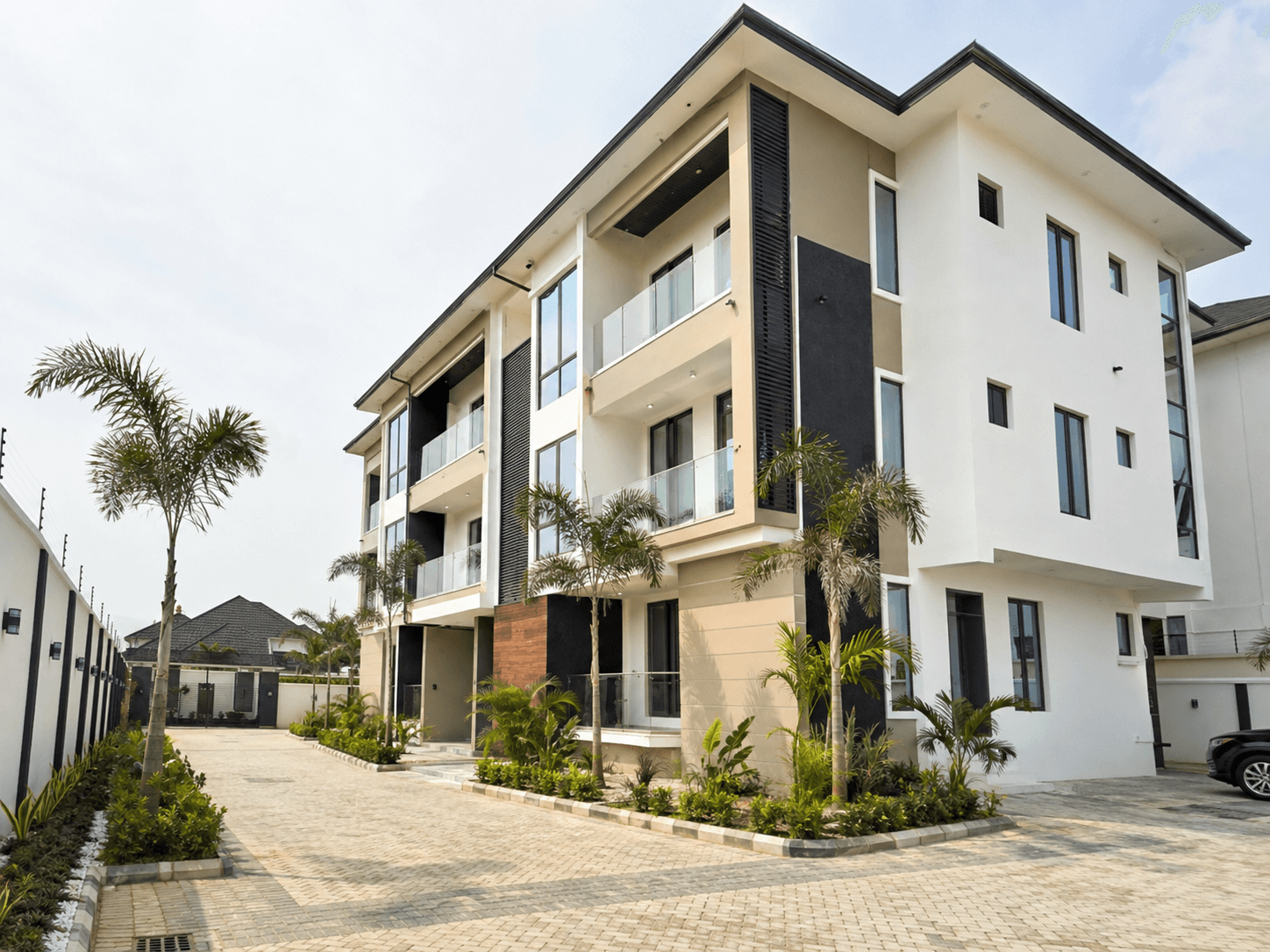
Modern apartment building under professional management

What Landlords Should Expect From A Property Manager

A property manager should provide more than occasional tenant contact. Here is what professional, accountable management should look like in practice.

Hiring a property manager is an important decision because that person or company becomes closely involved with the owner's asset, tenants, and service providers. A landlord should understand what will be managed, how decisions will be approved, how information will be reported, and what remains the owner's responsibility.

A proper onboarding and management plan

Professional management should begin with a review of the property, occupancy status, leases, maintenance history, known defects, service arrangements, and the owner's priorities. The manager should then define the agreed scope of work, communication process, approval limits, fees, and reporting expectations. This gives both parties a practical reference point and prevents important responsibilities from being assumed or overlooked.

Reliable tenant communication

Tenants need a clear and dependable point of contact for routine questions, notices, maintenance concerns, and tenancy matters. The manager should communicate respectfully, document important conversations, keep the owner informed where a decision is needed, and avoid allowing manageable concerns to become long-running frustrations.

Organised maintenance follow-through

A manager should receive and assess repair reports, understand urgency, coordinate suitable service providers, obtain owner approval where required, and follow up until the work is complete. The owner should be able to see what was reported, what action was taken, and what cost was approved. Preventive attention is equally important because small unresolved issues can become expensive property damage.

Useful inspections and condition records

Move-in records, scheduled inspections, and move-out checks provide evidence of the property's condition over time. Inspections should identify maintenance needs, safety concerns, misuse, and ordinary wear without disregarding the tenant's privacy or right to reasonable notice. Findings should lead to clear actions rather than simply being filed away.

Transparent administration and reporting

Owners should receive understandable updates on occupancy, agreed payments, arrears follow-up, maintenance activity, upcoming renewals, and significant risks. A useful report highlights decisions and next steps instead of overwhelming the owner with unstructured messages. The exact financial administration offered should be stated clearly in the management agreement.

Vacancy, renewal, and transition planning

A manager should monitor key tenancy dates and begin renewal or re-leasing conversations early enough to reduce avoidable vacancy. When a tenant leaves, the property condition, keys, outstanding responsibilities, repairs, presentation, and next marketing steps should be coordinated in an orderly sequence.

Honest boundaries and professional accountability

A trustworthy manager does not promise that every tenant will be perfect or that maintenance costs will disappear. Instead, they explain risks, document actions, escalate specialist matters, and remain accountable for the service they agreed to provide. Legal, tax, structural, valuation, and title matters should be referred to properly qualified professionals when required.

Speak With Kismat Properties
Contemporary property in Lagos

Buying Property In Lagos: Questions To Ask First

Before committing to a home, apartment, or land, ask the questions that reveal ownership, true cost, location risk, and long-term suitability.

Property can be a valuable long-term asset, but enthusiasm should never replace verification. Lagos buyers often compare location, price, and appearance first; the more important questions concern the seller's authority, title, physical boundaries, approvals, ongoing costs, and whether the property truly supports the buyer's goal.

Who owns the property and who has authority to sell it?

Ask for the seller's identity, their relationship to the property, and the documents supporting their right to sell. Where a representative, company, family, estate, or attorney is involved, the authority behind the transaction should be independently verified. Payments should not be made simply because a person has access to the property or presents copies of documents.

What title and planning documents exist?

The documents required will depend on the property and its history. A qualified property lawyer and relevant professionals should review the title, survey information, searches, consents, planning status, building approvals, and transaction documents as applicable. Buyers should understand what has been verified, what remains outstanding, and whether any restriction affects the intended use.

Do the documents match the physical property?

A document can appear complete while describing a different parcel, measurement, unit, or interest. The property's location, boundaries, beacons, layout, unit allocation, and access should be compared with the available records by a competent surveyor or other relevant professional. For apartments, buyers should also understand shared areas, parking rights, estate rules, and responsibility for common facilities.

What is the complete cost of ownership?

The purchase price is only one part of the budget. Ask about professional fees, agency fees, taxes or statutory charges, documentation, consent or registration costs, service charges, infrastructure contributions, immediate repairs, furnishing, insurance, and ongoing estate expenses. A realistic total budget prevents the transaction from becoming financially strained after the offer is accepted.

How does the location perform in everyday life?

Visit at different times and consider access roads, traffic, drainage, flood history, power, water, security, waste management, mobile connectivity, nearby development, noise, and proximity to work or essential services. A location that looks convenient on a map may feel very different during peak traffic or heavy rain.

What is the condition of the building and its systems?

For a completed property, inspect the structure, roof, walls, plumbing, drainage, electrical systems, doors, windows, finishes, shared facilities, and signs of moisture or movement. A professional inspection can help distinguish cosmetic work from defects that may require substantial repairs. For off-plan property, review the developer's track record, approvals, specifications, delivery terms, and remedies for delay.

Does the property fit the intended goal?

A home, short-term investment, long-term rental, development site, and land-holding strategy each require different questions. Consider likely demand, maintenance burden, service costs, tenant profile, resale appeal, planned infrastructure, and the time horizon. The best-looking option is not always the strongest match for the buyer's purpose.

Which professionals are protecting the decision?

An agent can coordinate discovery, viewings, communication, and negotiation, but independent legal, survey, valuation, inspection, tax, or planning advice may still be necessary. Buyers should choose qualified professionals, verify their role, and avoid pressure to skip checks for the sake of speed.

Speak With Kismat Properties